
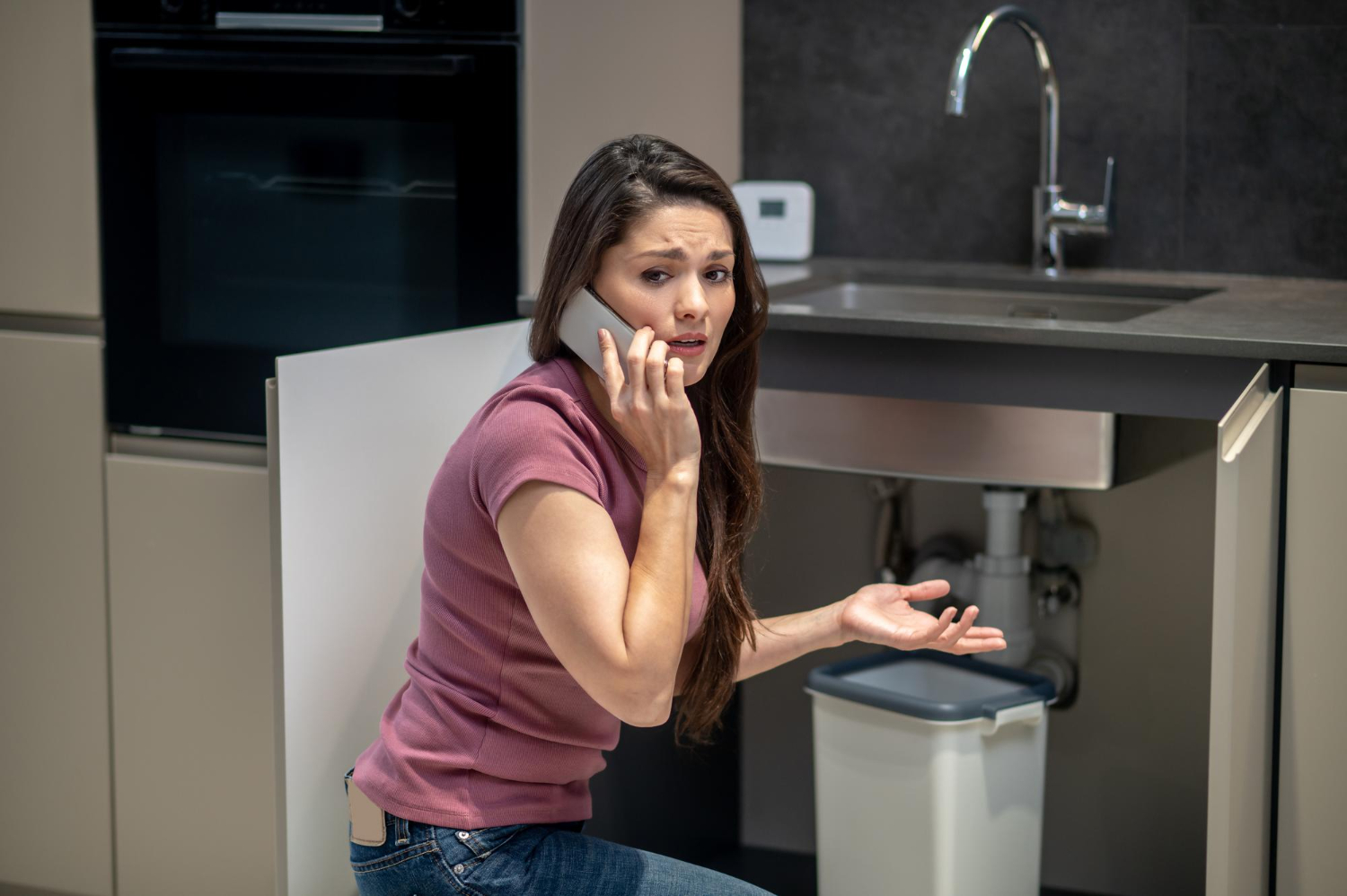
Top Plumbing Problems Homeowners Face
Plumbing problems are one of the most common frustrations for homeowners, yet most issues don’t start as emergencies. They usually begin as small warning signs—slow drains, minor leaks, or changes in water pressure—that are easy to ignore until they become expensive repairs.
In homes throughout the Cincinnati tri-state area, these issues are especially common due to seasonal temperature changes, aging plumbing systems in older neighborhoods, and everyday wear and tear. Understanding what to look for can help you prevent damage, reduce repair costs, and keep your home running smoothly.
Table of Contents
1. Slow or Clogged Drains
2. Leaky Faucets and Fixtures
3. Running Toilets
4. Water Heater Problems
5. Low Water Pressure
6. Hidden Plumbing Leaks
7. When Small Issues Become Emergencies
8. How to Prevent Plumbing Problems
9. When to Call a Plumber
10. FAQs
1. Slow or Clogged Drains
Slow drains are often the first sign of a developing plumbing issue. At first, water may just take a little longer to drain from sinks, tubs, or showers. Over time, this can progress into full blockages.
In kitchens, grease, food particles, and soap residue are the main causes. In bathrooms, hair and soap scum are typically responsible.
While chemical drain cleaners may seem like a quick solution, they often only provide temporary relief and can sometimes damage pipes. In many cases, recurring clogs point to buildup deeper in the system that needs professional cleaning.
2. Leaky Faucets and Fixtures
A dripping faucet might seem minor, but it’s one of the most wasteful plumbing issues in a home. Even a slow, steady drip can waste gallons of water each day.
Leaks usually occur due to worn washers, damaged seals, or aging internal components in the fixture. Over time, these parts degrade naturally with use.
Beyond water waste, persistent leaks can also lead to staining around sinks or tubs and signal that other fixtures may be nearing the end of their lifespan.
3. Running Toilets
A running toilet is one of those problems that often goes unnoticed until the water bill arrives. If you hear water running long after flushing, the tank isn’t sealing properly.
Common causes include:
* A worn flapper
* A faulty fill valve
* A misaligned float
* Sediment buildup inside the tank
Even though this is usually a simple repair, ignoring it can waste a significant amount of water over time.
4. Water Heater Problems
Hot water issues tend to show up suddenly, but they often develop gradually. Water heaters are especially vulnerable to sediment buildup, which reduces efficiency and increases wear on the system.
Warning signs include:
* Water turning cold quickly
* Rust-colored water
* Popping or rumbling noises
* Water pooling around the base of the unit
Routine maintenance, like flushing the tank, can extend the life of a water heater. However, once performance declines significantly, replacement may be the more cost-effective option.
5. Low Water Pressure
Low water pressure can make everyday tasks frustrating, from showering to washing dishes. It can also indicate a deeper plumbing issue.
Possible causes include:
* Mineral buildup in pipes or fixtures
* Hidden leaks in the system
* Partially closed shutoff valves
* Corroded or aging pipes
If only one fixture is affected, cleaning the aerator may help. But if the entire home is impacted, it’s usually a sign of a larger issue that needs inspection.
6. Hidden Plumbing Leaks
Not all leaks are visible. In fact, some of the most damaging plumbing problems occur out of sight behind walls, under floors, or in crawl spaces.
These leaks often go unnoticed until damage becomes visible, such as:
* Warped flooring
* Peeling paint
* Musty odors
* Unexpected spikes in water bills
Because they are difficult to detect, hidden leaks often require professional tools and experience to locate accurately before major damage occurs.
7. When Small Issues Become Emergencies
One of the biggest challenges for homeowners is knowing when a minor issue is about to become a major one.
A slow drip can become a burst pipe. A small clog can turn into a sewer backup. A hidden leak can lead to structural damage.
Common plumbing emergencies include:
* Burst or frozen pipes
* Sewer line backups
* Major leaks or flooding
* Sudden loss of water
* Water heater failure
Quick action in these situations can significantly reduce damage and repair costs.
8. How to Prevent Plumbing Problems
While not every plumbing issue is avoidable, many can be prevented with simple habits:
* Avoid pouring grease down kitchen drains
* Only flush toilet paper
* Watch for early warning signs like slow drains
* Schedule routine plumbing inspections
* Insulate pipes during cold weather
* Replace aging fixtures before failure
Preventive maintenance is one of the most effective ways to avoid unexpected plumbing repairs.
9. When to Call a Plumber
Some plumbing issues can be handled quickly, but others require professional attention. If a problem keeps coming back or affects multiple areas of the home, it’s usually a sign of something deeper.
It’s best to call a plumber when:
* You suspect a hidden leak
* Water pressure drops suddenly
* Drains repeatedly clog
* You notice water damage
* Plumbing issues escalate quickly
Getting professional help early often prevents larger, more expensive repairs later.
10. Having a Trusted Local Plumber Matters
Even with good maintenance habits, plumbing problems can still happen without warning. That’s why having a trusted local plumber makes a big difference when issues move beyond simple DIY fixes.
For homeowners in the Cincinnati tri-state area, Trinity Plumbing is one of the local companies many turn to when problems need fast, professional attention. With decades of hands-on experience in residential plumbing, they handle everything from everyday repairs like leaks and clogs to more complex issues involving water heaters, sewer lines, and emergency plumbing situations.
What stands out most in situations like these is responsiveness and experience—especially when water damage is a risk. Whether it’s a sudden pipe issue or a recurring plumbing problem that won’t go away, having a reliable team that understands local homes and systems can help prevent small issues from turning into costly repairs.
Even if you don’t need a plumber today, knowing who to call when something goes wrong is part of protecting your home long-term.
Conclusion
Most plumbing problems start small, but they rarely stay that way. Recognizing the early signs—like slow drains, leaks, or changes in water pressure—can help homeowners avoid major damage and costly repairs.
With regular maintenance and timely attention to small issues, homeowners in the Cincinnati tri-state area can keep their plumbing systems running efficiently year-round.
FAQs
1. What is the most common plumbing issue in homes?
Clogged or slow drains are the most frequent issues, usually caused by buildup from grease, hair, or soap.
2. Are small leaks really a big concern?
Yes. Even small leaks can waste water, increase utility bills, and lead to hidden structural damage over time.
3. Why does my toilet keep running?
A running toilet is typically caused by a worn flapper, faulty fill valve, or sediment inside the tank.
4. What causes low water pressure in a house?
Common causes include pipe buildup, leaks, partially closed valves, or aging plumbing systems.
5. How do I know if I have a hidden leak?
Signs include higher water bills, musty smells, damp areas, or unexplained water damage.
0 Comments