
How Seasonal Changes Affect Your Home’s Plumbing
Homeowners in the Greater Cincinnati Tri-State Area experience a wide range of weather conditions throughout the year—hot, humid summers, freezing winters, and everything in between. While most people think about how these changes affect their heating and cooling systems, plumbing is often the most impacted—and most overlooked—part of the home.
From frozen pipes in winter to increased water usage in summer, each season brings its own set of plumbing challenges. Understanding how weather affects your plumbing system can help you prevent damage, avoid emergencies, and extend the life of your home’s infrastructure.
Table of Contents
1. Winter Risks: Frozen and Burst Pipes
2. Spring Thaw and Drain Stress
3. Summer Water Usage Strain
4. Fall Preparation for Cold Weather
5. How Temperature Changes Impact Plumbing Materials
6. Warning Signs of Seasonal Plumbing Problems
7. Preventative Maintenance Tips
8. Why Local Expertise Matters
9. Conclusion
10. FAQs
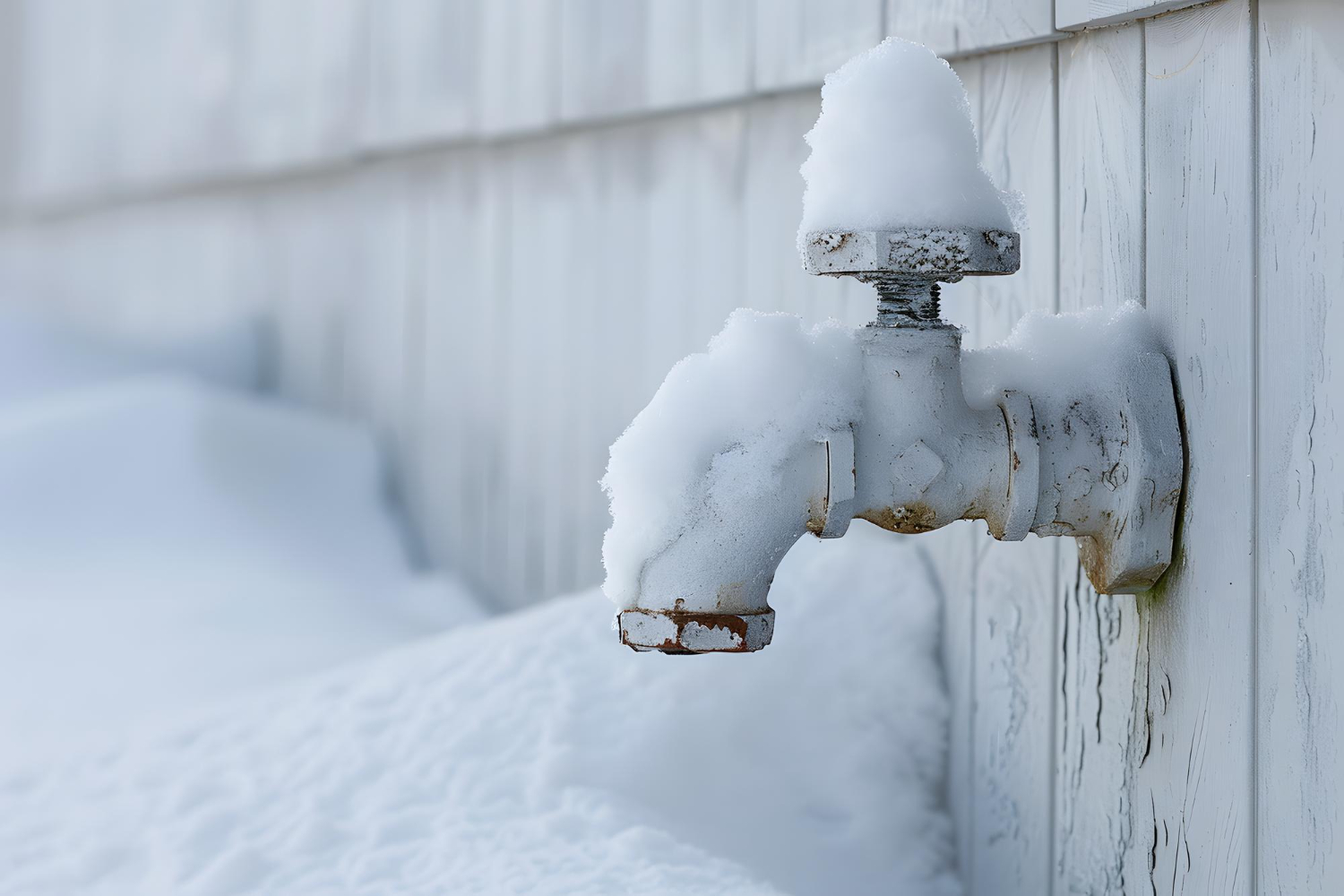
Winter Risks: Frozen and Burst Pipes
Winter is one of the most damaging seasons for plumbing systems. When temperatures drop below freezing, any water sitting inside pipes can freeze and expand. This expansion puts pressure on pipes, which can eventually cause them to crack or burst.
Pipes most at risk include those in:
* Basements
* Crawl spaces
* Exterior walls
* Garages
* Unheated areas of the home
A burst pipe can release gallons of water in minutes, causing significant structural damage, mold growth, and expensive repairs.
Warning signs of freezing pipes include reduced water flow, frost on visible piping, or strange odors coming from drains.
Spring Thaw and Drain Stress
Spring brings warmer temperatures and melting snow, which can put additional stress on plumbing and drainage systems. As the ground thaws, excess water can saturate the soil around your home, sometimes overwhelming sump pumps or drainage lines.
Common spring plumbing issues include:
* Basement water intrusion
* Overworked sump pumps
* Slow exterior drainage
* Sewer line backups due to saturated ground
This is also the time when small winter pipe cracks may finally become visible as leaks once water pressure returns to normal levels.
Summer Water Usage Strain
Summer typically brings increased water usage. Between lawn irrigation, gardening, filling pools, laundry loads, and guests visiting, plumbing systems work harder than usual.
This increased demand can reveal underlying issues such as:
* Low water pressure
* Hidden leaks in irrigation lines
* Strain on water heaters and supply lines
* Higher utility bills due to unnoticed leaks
Outdoor hose bibs and sprinkler systems are especially vulnerable to wear and tear during heavy summer use.
Fall Preparation for Cold Weather
Fall is one of the most important seasons for plumbing maintenance because it prepares your home for freezing temperatures ahead.
This is the ideal time to:
* Insulate exposed pipes
* Drain outdoor faucets and hoses
* Inspect water heaters
* Check for existing leaks
* Clean gutters and drainage systems
Taking preventative action in the fall can significantly reduce the risk of emergency plumbing calls during winter.
How Temperature Changes Impact Plumbing Materials
Plumbing systems are made up of materials that expand and contract with temperature changes. Over time, repeated expansion and contraction can weaken joints, seals, and pipe connections.
This is especially common in older homes throughout the Cincinnati Tri-State Area, where aging plumbing systems may already be under stress.
Even small temperature shifts between seasons can gradually lead to:
* Loose pipe fittings
* Cracked seals
* Reduced water efficiency
* Slow-developing leaks
Understanding this natural wear helps explain why plumbing issues often appear after seasonal transitions.
Warning Signs of Seasonal Plumbing Problems
Seasonal plumbing issues don’t always appear suddenly. Many give early warning signs that homeowners can watch for:
* Unexplained increases in water bills
* Reduced water pressure in multiple fixtures
* Strange noises in pipes (banging or rattling)
* Damp or discolored spots on walls or ceilings
* Slow drains throughout the home
Recognizing these signs early can prevent minor issues from becoming major repairs.
Preventative Maintenance Tips
Preventing seasonal plumbing problems doesn’t require major effort—just consistent maintenance throughout the year.
Here are a few simple but effective steps:
* Keep indoor temperatures consistent in winter, even when away
* Disconnect and drain outdoor hoses before freezing weather
* Inspect visible pipes for corrosion or moisture
* Schedule annual plumbing inspections
* Flush water heaters once or twice a year to remove sediment
* Monitor water usage for sudden changes
Routine maintenance is especially important in regions like the Greater Cincinnati Tri-State Area, where weather can shift quickly and dramatically.
Why Local Expertise Matters
Plumbing issues tied to seasonal changes often require local experience to diagnose and prevent properly. Homes in different regions face different challenges based on soil conditions, temperature extremes, and building styles.
That’s where working with a local plumbing professional becomes valuable.
Trinity Plumbing, based in New Richmond, OH, serves the Greater Cincinnati Tri-State Area with residential plumbing expertise built around local conditions. Their experience with seasonal plumbing issues—from frozen pipe repairs in winter to drainage concerns in spring—means they understand the unique challenges homeowners face throughout the year.
Having a trusted local team means faster response times, familiar knowledge of regional plumbing systems, and practical solutions tailored to the climate and housing styles in the area.
Conclusion
Seasonal changes have a direct impact on your home’s plumbing system, often in ways that aren’t immediately visible. From freezing winter temperatures to summer water demand, each season brings unique challenges that can stress pipes, fixtures, and water systems.
The good news is that most seasonal plumbing problems are preventable with regular maintenance and early attention to warning signs. Staying proactive not only reduces the risk of emergencies but also helps extend the life of your entire plumbing system.
For homeowners in the Greater Cincinnati Tri-State Area, understanding these seasonal risks is the first step toward protecting your home year-round.
FAQs
1. What season causes the most plumbing problems?
Winter typically causes the most severe issues due to frozen and burst pipes, but each season presents different risks.
2. How can I prevent pipes from freezing?
Keep your home heated consistently, insulate exposed pipes, and allow faucets to drip slightly during extreme cold.
3. Why do plumbing problems increase in spring?
Melting snow and saturated ground can overwhelm drainage systems and reveal hidden winter damage.
4. Does summer really affect plumbing systems?
Yes. Increased water use can strain pipes, reveal leaks, and raise utility bills.
5. When should I schedule plumbing maintenance?
Fall is the best time for preventative maintenance before freezing temperatures arrive, but annual inspections are recommended.
0 Comments